If you’re starting to plan a house extension for your home, your mind may be swirling with all the possibilities.
There are so many decisions to make to ensure you achieve an extension that:
- complements your home
- is on budget – this is very important
- achieves your goals for what it brings you as a new living space
- does not overdevelop your home – this is where you might spend more money on the extension than what it adds to the value of your home
The first decision to make affects all of the above, and that is whether to add a single storey extension or go the whole hog and add a double storey one.
Many people immediately think that if budget and other circumstances allow, they would automatically prefer to have a double storey extension. After all – surely it is better to add as large an extension as possible to your home?
However, this is not always the case. There are many reasons why for the majority of homes – and homeowners – a single storey extension may be the best choice.
Adding a single storey extension is one of the largest home improvement projects many homeowners will ever undertake. It’s not exaggerating to say that it can transform your life, because it can dramatically improve the way your family lives and interacts together at home. You may need additional living space for a growing family, or you may simply have reached the point where your current layout no longer works for the way you live.
Whatever the reason for wanting to add a single storey extension to your home, it’s important to understand and explore the many options available before making any decisions. It’s also important to ensure that your new living space is built using the best possible systems and materials. This will ensure that your single storey extension adds value to your home, is warm, energy efficient, beautiful to look at and an ideal place to spend time in.
Single storey extensions are a good idea for many reasons. However you decide to extend, you’ll be creating another room in your house that can be used for a range of purposes – as a dining area, lounge, playroom or even a study.
Here are the top reasons why adding a single storey extension is the best option for most homes.
1. Considerable Cost of Single Storey Extensions
There is a common misconception that “if you’re building a house extension and have gone to the expense of digging foundations, you might as well add an upstairs instead of just having a single storey extension.”
While foundations can often be an expensive part of any extension build, it is not always marginally more to add an extra storey. For example, by going from a single storey extension to a double storey, the layout of upstairs rooms, hallways and even stairways may need changing – which comes at a considerable cost. The only reason why you should add a double storey extension is if you specifically set out to do this because you need the additional upstairs space. Other than this, any cost is an additional cost, for something you may not need and that will certainly add substantially to your budget. Stick to the single storey unless you really need the extra space upstairs.
2. Single Storey Extensions Add Value To Your Home
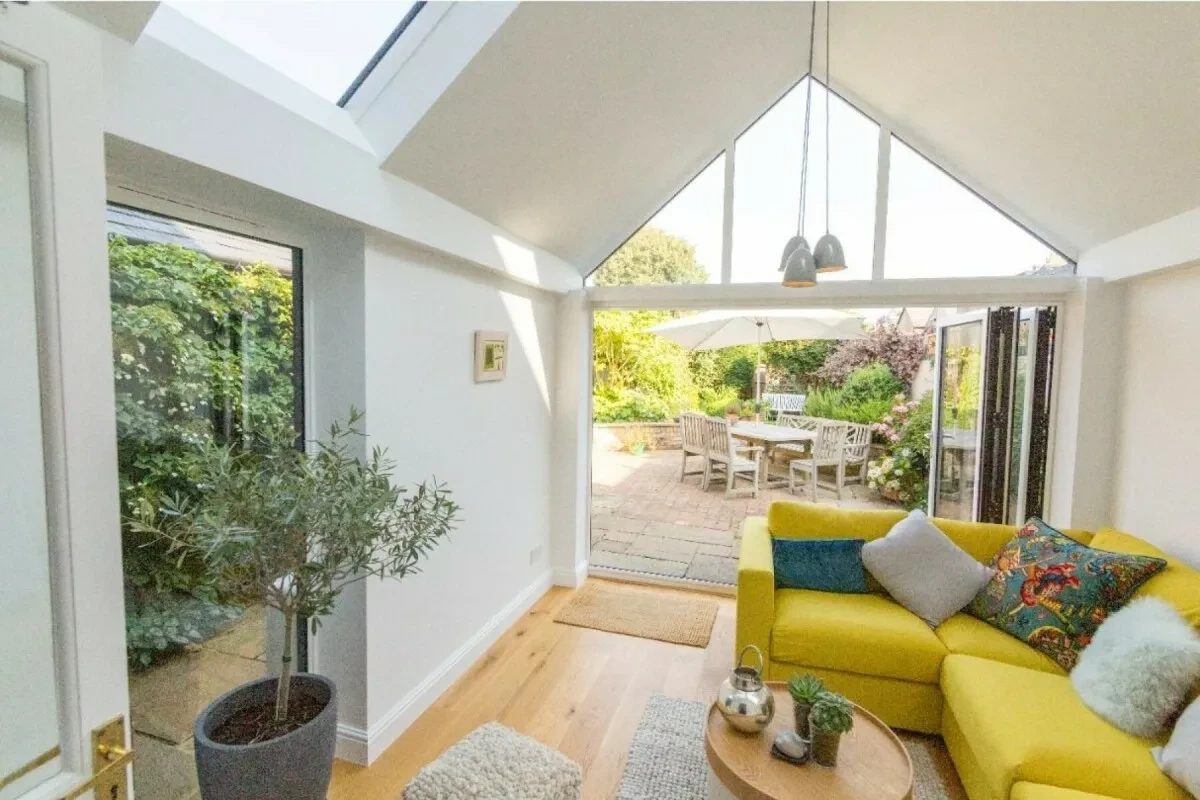
This is something to be very wary of. For most homeowners, adding a single storey extension to their home will see it increase in value. This is because adding a single storey extension often allows people to create the modern, open plan living spaces that are so desirable now to so many families. This is what adds real value and saleability to a home.
Unless a home explicitly needs another bedroom, this often won’t add the value that people think. And so, all of the expense and additional mess, building work, etc., that comes with a d ouble storey extension may not actually add the value you expect.
Take a typical four bedroom detached home with a separate kitchen and dining room. If the homeowner were to add a single storey extension and make a large, open plan room using the existing small kitchen and dining room, this would undoubtedly add great value. This kind of single-storey extension project transforms a home from a traditional layout with smaller, separate rooms into a large modern living space that is highly desirable to future buyers.
However, as four bedrooms are more than adequate for most families while adding a double storey extension and an extra bedroom might be attractive to future buyers, it won’t add anything like the value of the open plan living space that can be achieved with a single storey extension.
Calculate Your New Extension
Looking to get a better idea of how much your new orangery or conservatory will cost? We can provide an instant quote or put you in touch with a local installer in your area who can do the same. Find out more today!
3. Bringing Light Into Your Room
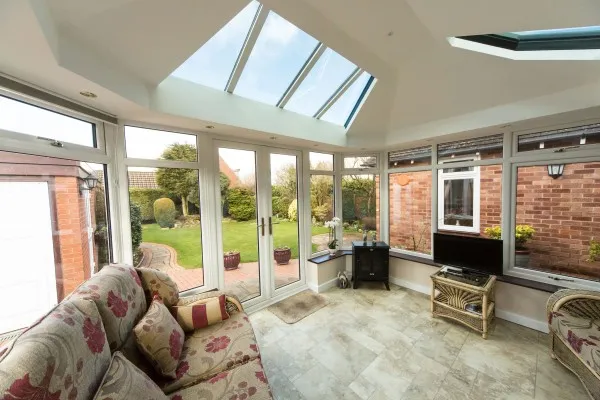
When adding a home extension, along with the extra space you will have, bringing in more natural light is at the top of many homeowners’ wish lists. With a single storey extension, there are many possibilities for bringing light into the room below and the adjoining rooms. These include skylights or lanterns – both of which look stunning and will light up your single storey extension or any other room. Of course, when adding a double storey extension, the lower floor of the extension cannot have any glazing in the roof – and so misses out on all of that valuable vertical light.
Vertical light is the name given to light that enters a room from above, through glazing in the roof. A room with a vertical light source will be far brighter than one that only receives light via windows and doors. This precious vertical light can only be achieved with a single storey extension.
You must choose what looks best on your home aesthetically. Again, this point is to reiterate that unless you explicitly need a double storey extension, don’t add one. The vast majority of homes look beautiful – even improved – with the addition of a single storey extension. Adding an extension that spans over two floors is far trickier to get right in terms of the external aesthetics and proportions.
4. Quicker Extension Builds
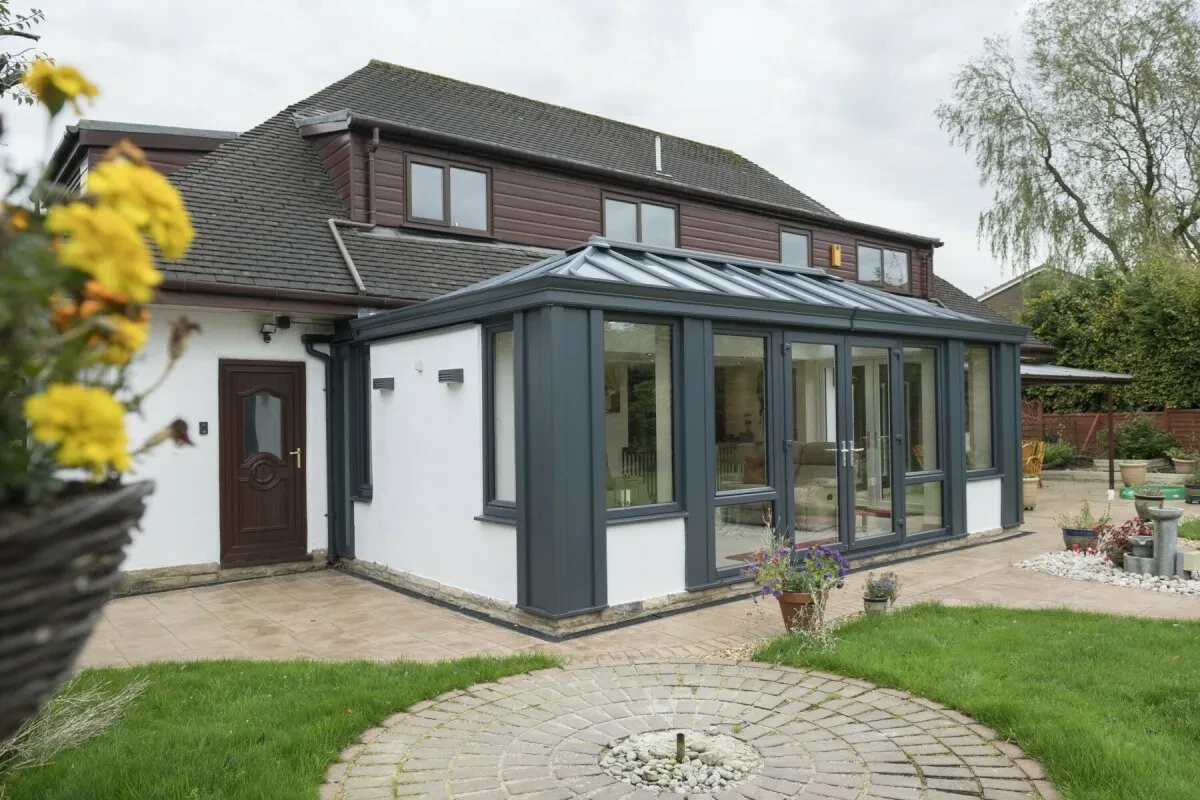
The final reason on our list for why a single storey extension is the best choice for most homes is speed. Many homeowners are concerned about the disruption involved with adding an extension to their homes, and most want it to be over as quickly as possible. Adding a single storey extension is far quicker than adding a double storey one.
For those wishing to speed up the extension build process hugely, why not take a look at modular extensions? A new single storey extension can be built and finished in a matter of weeks, as opposed to months. This is because a large amount of the work is done in a factory before transporting the components to be assembled on site. This means that homeowners can benefit from their new single storey living space much sooner than with a traditionally built extension.
Extension, Conservatory or Orangery?
When homeowners decide they want to extend, they automatically look online for single storey extensions. They do not always realise that other design options are available that will give them more choice.
Conservatories and orangeries can fall under the banner of single storey extensions too. It all comes down to a matter of design, which your approved Ultra Installer will be able to help with.
Conservatories generally feature a higher proportion of glass throughout, compared to orangeries, which typically use more masonry and often feature a lantern roof. But these traditional moulds can be broken.
Ultraframe’s product range covers home extensions, orangeries and conservatories, and our installers will be able to help you find a design that suits your home improvement objectives.
So before deciding exactly what your new room should be, ask yourself what you want it to do. Is it mainly about extra light? Better access to the garden? A larger kitchen-diner? A more private retreat away from the busiest parts of the home? The answer to these questions will shape the layout, roof style, glazing and overall design.
Choosing The Right Extension For Your Home With Ultraframe
Of course, a double storey extension will be the right choice for some homes and some families. However, for the vast majority of UK homes and families, single storey extensions are the perfect choice. Single storey extensions can completely transform most homes into stunning, light filled spaces for the whole family to enjoy.
With that being said, as Ultraframe, we hope that this guide was helpful in choosing the right extension for your home. Whether that is a single storey extension or a double storey extension, we will be here to help you achieve your dream space. Why not start your project by finding your nearest installer today.
Single Storey Extension Ideas for Your Home
There are many single storey extension ideas to consider, including style, light and specification. That’s why Ultraframe recommends looking at plenty of images of single storey extensions so you can carefully decide what would work best for you, your home and your family.
To help you begin planning your new living space, here are some of the biggest design decisions to think about.
Flat Roof or Pitched Roof?
This is probably the first decision you need to make and may be dictated partly by the style of your existing home. Other things, such as what is permitted for your property, may also influence your roof options.
A great starting point is finding out whether an Ultraframe flat roof or pitched roof is the best fit for your home. A flat roof extension can be paired with flat skylights or lanterns to flood the room below with natural light. A pitched single storey extension can be glazed with full-length panels if you choose systems such as Ultraroof or Livinroof, and these and other roof options can also incorporate roof windows.
Roof Glazing Style
As well as adding additional space to your home, many homeowners add a single storey extension to bring in more light and brightness. The majority of the natural light in an extension comes in through the roof, so it’s important to consider glazing carefully.
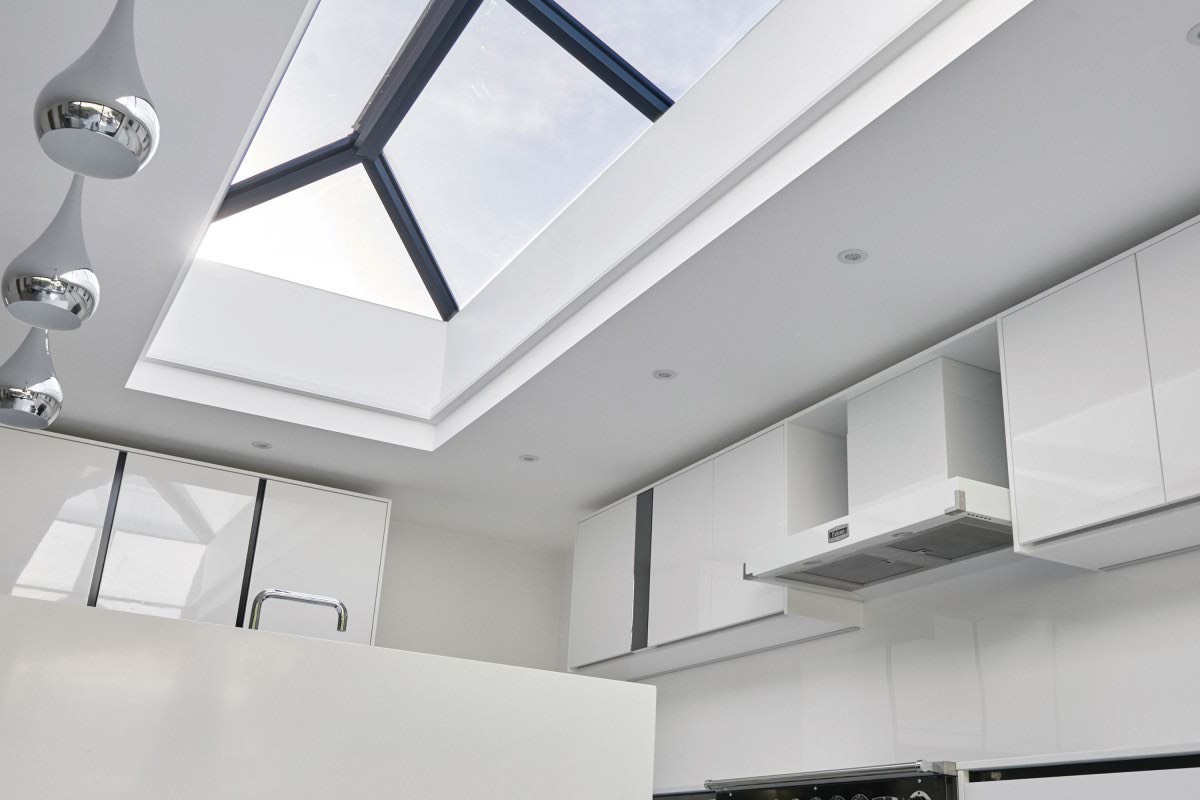
If you have decided on a flat roof extension, you can choose from flat skylights or lanterns to flood the room below with natural light. If you prefer a pitched roof, there are still plenty of options to create a bright and welcoming room.
Open Plan or Not?
Creating a larger open-plan living space is high on the priority list for many homeowners who extend. Open-plan living spaces have become very popular over recent years. They are a great way to encourage families to spend more time together in one area where they can cook, eat and relax. An open-plan room will also add a real feeling of space to your home.
Of course, there are also reasons why people choose not to make their single storey extension open plan to the rest of the home. The new room may be a place for quiet and solace away from other busier areas of the house. Many families now also want more defined spaces again, where they can enjoy some time out from one another when needed.
Think carefully about your family and how you want to live when deciding whether to make your single storey extension open plan.
Windows and Doors
The windows and doors in the walls of your single storey extension will also significantly impact how the space looks and feels.
Large expanses of bi-fold doors have been popular for some time now. Bi-folds allow you to open up a large span of wall, creating a seamless link to the garden beyond. Large sliding doors are also a popular single storey extension idea. These feature fewer sightlines and larger expanses of glass than bi-fold doors, but they do not allow quite the same amount of open space.
Other more traditional options for single storey extension doors include French doors, smaller patio doors and single residential doors.
If you wish to add windows to your extension, you can decide on any shape or style from fixed panes to full-length windows and even more traditional vertical sliders. Think about ventilation, light and access to your outdoor space when choosing the windows and doors for your single storey extension.
External Appearance
There are many options to choose from when considering how your single storey extension might look from the outside. The appearance will be partly determined by the windows and doors you choose and what colour they are, but there are still plenty of ways to express yourself through your new extension.
With a choice of external finishes, including brick, render, wood cladding, tiles and more, you can either create a new room that complements the rest of your home or one that contrasts with it. The choice is yours.
This is a big decision, so take the time to explore different single storey extension ideas. At Ultraframe, we encourage homeowners to look at samples and, if possible, visit real-life extensions to see how different finishes look.
Another essential thing to consider about the external appearance of your new single storey extension is lighting. Don’t make the mistake of letting this be an afterthought. The right lighting can completely transform a single storey extension from ordinary to outstanding after dusk. Popular choices include up-and-down lights which shine a dramatic beam of light in a vertical line up the wall of your extension.
Which Layout Is Best for a Single Storey Extension?
What purpose will your single storey extension serve? The answer to this question will dictate the design choices you make later.
Whether you’re replacing the roof on an existing room or starting afresh, we can offer you a wide range of choices. Our conservatory and extension roof systems can cope with most configurations, so you won’t have to compromise when planning your new room.
Below are three popular building styles, together with some of their benefits.
Lean-To Single Storey Extensions
Characterised by a square or rectangular shape, the lean-to conservatory wastes not a single inch of space, which makes it an ideal choice if space is limited. If you live in a bungalow and have been looking for single storey extensions, this building style can be especially suitable.
P-Shape Single Storey Extensions
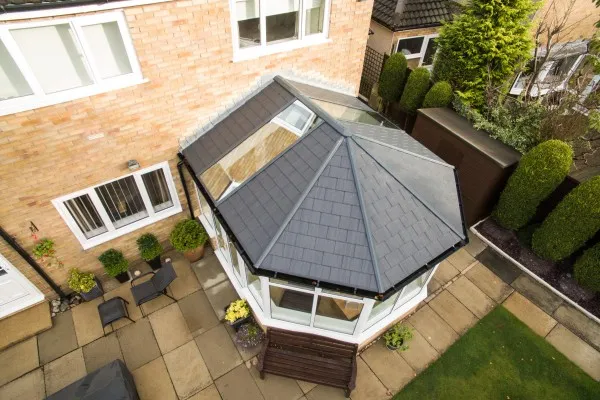
If you have plenty of room to build your single storey extension, the P-shaped design is perfect. It comprises a lean-to design attached to a Victorian-style conservatory. These two spaces can function separately – one as a dining room, the other as a lounge. It’s up to you.
Lantern Single Storey Extensions
Roof lanterns comprise mostly glass. Ultraframe designs use fewer bars, so you’ll be rewarded with better views and a single storey extension that is better illuminated.
Single Storey Extension Design Ideas
The Ultraframe product you choose for your new room will depend on your design objectives. Here are a few ideas to get you started.
Let in the Light with an Ultrasky Roof
Light matters, especially if open-plan single storey extensions have formed a large part of your research. Sunlight will help connect the three spaces involved here: your home, your extension and your garden.
The Ultrasky Roof blends the aesthetic properties of an orangery with those of a glass extension. Fewer bars are used on the roof, so your single storey extension will benefit from impressive light entry.
When designing your Ultrasky single storey extension:
- you’ll be able to include bi-fold doors with a wide span, so connecting your home and extension to your garden will be easy
- you can make the most of this effect by using the same tiling inside and outside to create a stronger sense of continuity
- reflective glass and bright colours throughout will help maximise the light entering your new room
Create Separate Spaces with a Veranda Conservatory
Have you been looking for single storey extensions that will feel distinct from the rest of your home? With a Veranda conservatory you can do this, while still connecting both spaces when it suits you.
The Veranda creates two spaces: an interior room and a sheltered pocket created by its oversails, which work in a similar way to a pergola. This makes it a single storey extension for all seasons.
Pergola-style single storey extensions look particularly good when:
- sliding patio or bi-fold doors are used to create a linking point between the extension and garden, and between the home and the Veranda
- the roof and frames are customised using the right coloured foil internally or externally
- it is installed on top of glass side frames in a pitch that suits the property
Contemporary Orangery Kitchen Extension
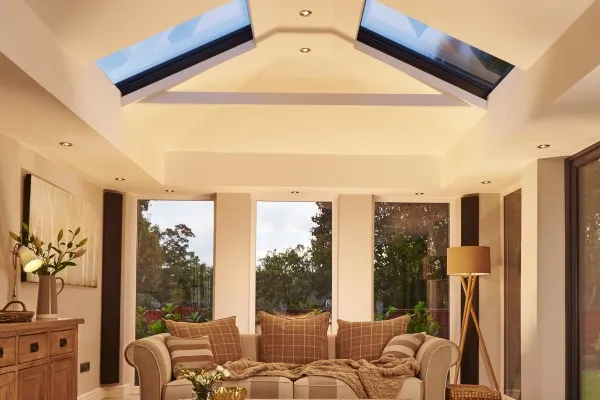
If you like single storey extensions that are open plan, so that they link seamlessly to a kitchen extension, a Contemporary Orangery is a perfect choice. This type of design effortlessly blends light with a more solid structure, meaning it will feel like a natural extension of your home.
Make the most of a Contemporary Orangery by:
- taking advantage of the roof design by including wide-span bi-fold doors to improve access, ventilation and market appeal
- including a central lighting panel inside your new room, into which lights and speakers can be fitted
- asking your Ultra Installer to include a wider ceiling pelmet to give you more space and enhance that all-important real-room feel
Building Your Single Storey Extension
If you’re planning to add an extension to your home, you will likely have heard the terms Planning Permission, Permitted Development and Building Regulations. However, you may not fully understand what they mean or whether they apply to your new home extension. Here’s a simple planning permission guide.
Planning Permission
Planning permission is the approval needed for certain types of building projects from the planning department of your local council.
You may need planning permission to add an extension because of the size, the style, the finish or due to the area you live in. However, some single-storey extensions can be built without applying for householder planning permission if they meet permitted development limits and conditions. Those conditions cover points such as depth, height, width, materials and location on the property.
Permitted Development
Permitted development is a set of rules that allows certain building projects to be carried out without the need to apply for planning permission.
For single-storey rear extensions, the standard permitted development depth is generally up to four metres for a detached house and three metres for other houses, with a larger rear extension route available in some cases through prior approval. Side extensions also have their own width and height limits. Whether your project qualifies will depend on the details of the design and the property itself.
Building Regulations
While planning permission and permitted development relate to the style, shape and design of a building project, building regulations are a set of rules that must be complied with to help ensure the health and safety of those who will use it.
Building regulations include rules about structural integrity, accessibility, energy efficiency, gas and electricity safety and fire protection, amongst others.
If your extension is opened up to the main house with a structural opening and no separating doors, building-regulations considerations become especially important. Open-plan conservatories and orangeries generally need to be treated as extensions in these cases.
Let’s Get Started
These are just a few ideas to think about when planning a single storey extension. Make sure you explore all the options so you can enhance the value of your home and create a beautiful new living space that is a joy to spend time in.
With an Ultraframe installer, you will receive expert advice and guidance on every part of the journey, from the first ideas through to design, specification and installation.
Single storey extensions can completely transform most homes into stunning, light-filled spaces for the whole family to enjoy. Of course, a double storey extension will be the right choice for some homes and some families. However, for the vast majority of UK homes and families, a single storey extension is the perfect choice.
Whether that means a rear extension, a side extension, an orangery, a conservatory or another style of extension entirely, the right design can make a dramatic difference to the way you live in your home.
Single Storey Extensions: FAQs
Do single storey extensions need to meet building regulations?
Most single storey extensions will need building-regulations compliance. Conservatories and orangeries can sometimes be exempt in certain circumstances, but that depends on how they are designed and connected to the house. If the new room is opened up to the home in a way that makes it part of the main living space, the position changes and building-regulations requirements are more likely to apply.
Do single storey extensions need planning permission?
Not always. Some single storey extensions can be built under permitted development, provided they meet the relevant limits and conditions. If they exceed those rules, householder planning permission will usually be needed.
Why should I use an approved Ultra Installer?
An approved Ultra Installer will have been audited by Ultraframe and will be able to guide you through the design choices, specification options and installation process.
Are open-plan single storey extensions a good idea?
For many homeowners, yes. Open-plan single storey extensions are one of the most effective ways to create a brighter, more sociable family space and add value to a home. However, some families now prefer more defined spaces, so the right answer depends on how you want to live.
What type of single storey extension is best?
That depends on your property, budget and objectives. Some homeowners want a straightforward extension, while others are better suited to an orangery, conservatory, veranda or lantern-style design. The best option is the one that gives you the right balance of light, layout, performance and appearance.
Find Your Nearest Single Storey Extensions Installer
Use our search tool to find an experienced and trusted home extension installer near you. They will be able to answer any questions you have about single storey extensions, provide prices and help you choose a design that suits your home.

Find a Trusted Installer
We'll put you in touch with your nearest Trusted Ultra Installer, who has been tested and assessed for their competency.